
Cell Organelles and Membrane Transport Mechanisms
Classified in Biology
Written on in  English with a size of 29.24 KB


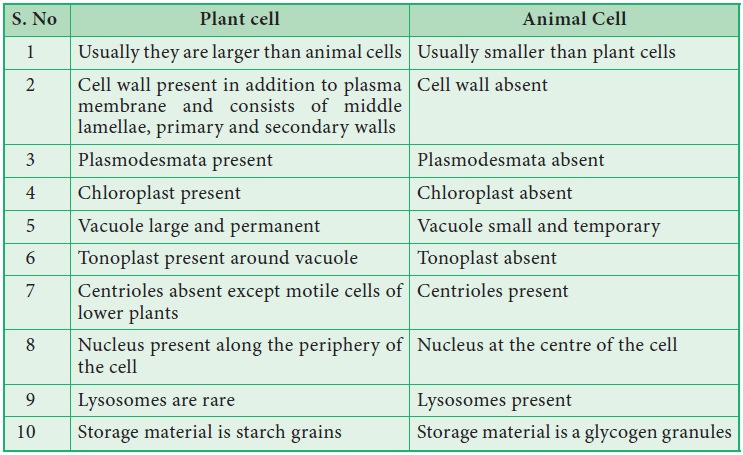
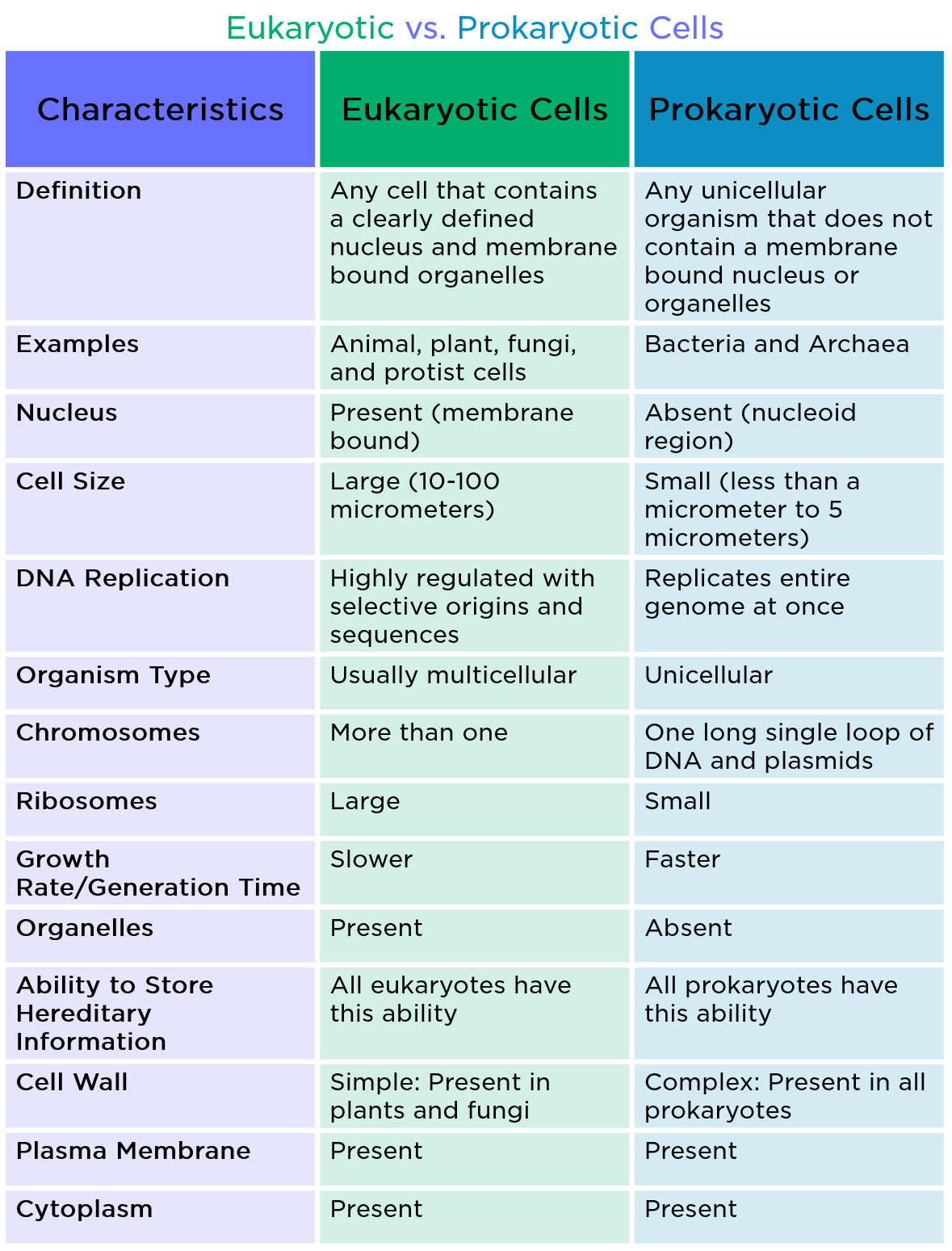
Classification of Cell Organelles
Organelles without membrane: The cell wall, ribosomes, and cytoskeleton are non-membrane-bound cell organelles. They are present both in the prokaryotic cell and the eukaryotic cell.
Single membrane-bound organelles: Vacuole, lysosome, Golgi apparatus, and endoplasmic reticulum are single membrane-bound organelles present only in a eukaryotic cell.
Double membrane-bound organelles: Nucleus, mitochondria, and chloroplast are double membrane-bound organelles present only in a eukaryotic cell.
Let us learn more in detail about the different cell organelles in brief.
Key Cell Organelles and Their Functions
Plasma Membrane
The plasma membrane, also called the cell membrane, is the membrane found in all cells that separates the interior of the cell from the outside environment.
Cytoplasm
Cytoplasm is a thick solution that fills each cell and is enclosed by the cell membrane.
The Nucleus
The nucleus controls and regulates the activities of the cell (e.g., growth and metabolism) and carries the genes, which are structures that contain the hereditary information.
Endoplasmic Reticulum (ER)
In biology, the Endoplasmic Reticulum (ER) is a continuous membrane system that forms a series of flattened sacs within the cytoplasm of eukaryotic cells and serves multiple functions.
Rough Endoplasmic Reticulum
The Rough Endoplasmic Reticulum (RER) is a membranous organelle that functions to produce proteins with the help of ribosomes located on the membrane surface.
Smooth Endoplasmic Reticulum
The Smooth Endoplasmic Reticulum (SER) functions in many metabolic processes. It synthesizes lipids, phospholipids (as found in plasma membranes), and steroids.
Mitochondria
Mitochondria are called the powerhouses of the cell as they produce energy-rich molecules for the cell. The mitochondrial genome is inherited maternally in several organisms. It is a double membrane-bound, sausage-shaped organelle found in almost all eukaryotic cells.
Ribosomes
Ribosomes are non-membrane-bound and important cytoplasmic organelles found in close association with the endoplasmic reticulum.
Mechanisms of Cell Membrane Transport
Cellular transport is categorized into three main types:
- Active Transport
- Passive Transport
- Bulk Transport
Active Transport
In cellular biology, active transport is the movement of molecules across a cell membrane from a region of lower concentration to a region of higher concentration—moving against the concentration gradient.
Bulk Transport
Like the active transport processes that move ions and small molecules via carrier proteins, bulk transport is an energy-requiring (and, in fact, energy-intensive) process. The different modes of bulk transport include:
- Phagocytosis
- Pinocytosis
- Receptor-mediated endocytosis
- Exocytosis
Passive Transport
Passive transport involves the movement of substances from a higher to a lower concentration without the expenditure of energy.
Osmosis
Osmosis is the movement of water molecules or a solvent from a region of low solute concentration towards a region of high solute concentration through a semi-permeable membrane.
Diffusion
Diffusion can be described as the process of movement of molecules from a region of higher concentration to a region of lower concentration, allowing the entry and exit of substances in and out of cells.