Understanding Photosynthesis: The Process of Plant Nutrition


1. The circulatory system is responsible for transporting nutrients to and from the cells in the body. It is made up of the heart, blood vessels, and the blood.
2. The function of the internal environment is to give nutrients needed to cells. It is located in the interstitial fluid.
3. Blood carries nutrients that go from the blood vessels to the interstitial fluid. Cells found in tissues exchange substances with the interstitial fluid.
4. Cells get rid of waste products with the help of the interstitial fluid that collects this.
5. Cells would not obtain nutrients.
6.1. It transports nutrients and oxygen to the cells. 2. It removes waste: CO2, urea, salts. 3. Defends the organism against infections. 4. Helps to control body...
Homeostasis is the maintenance of a constant internal environment within an organism. One mechanism to achieve homeostasis is feedback inhibition, where a stimulus produces a response that opposes the original stimulus.


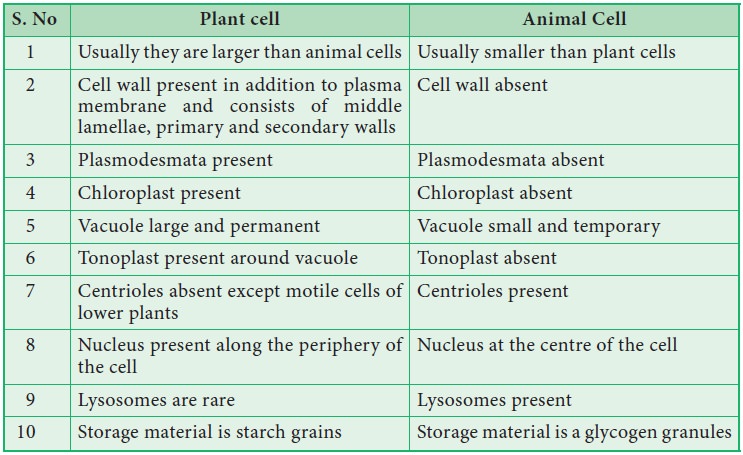
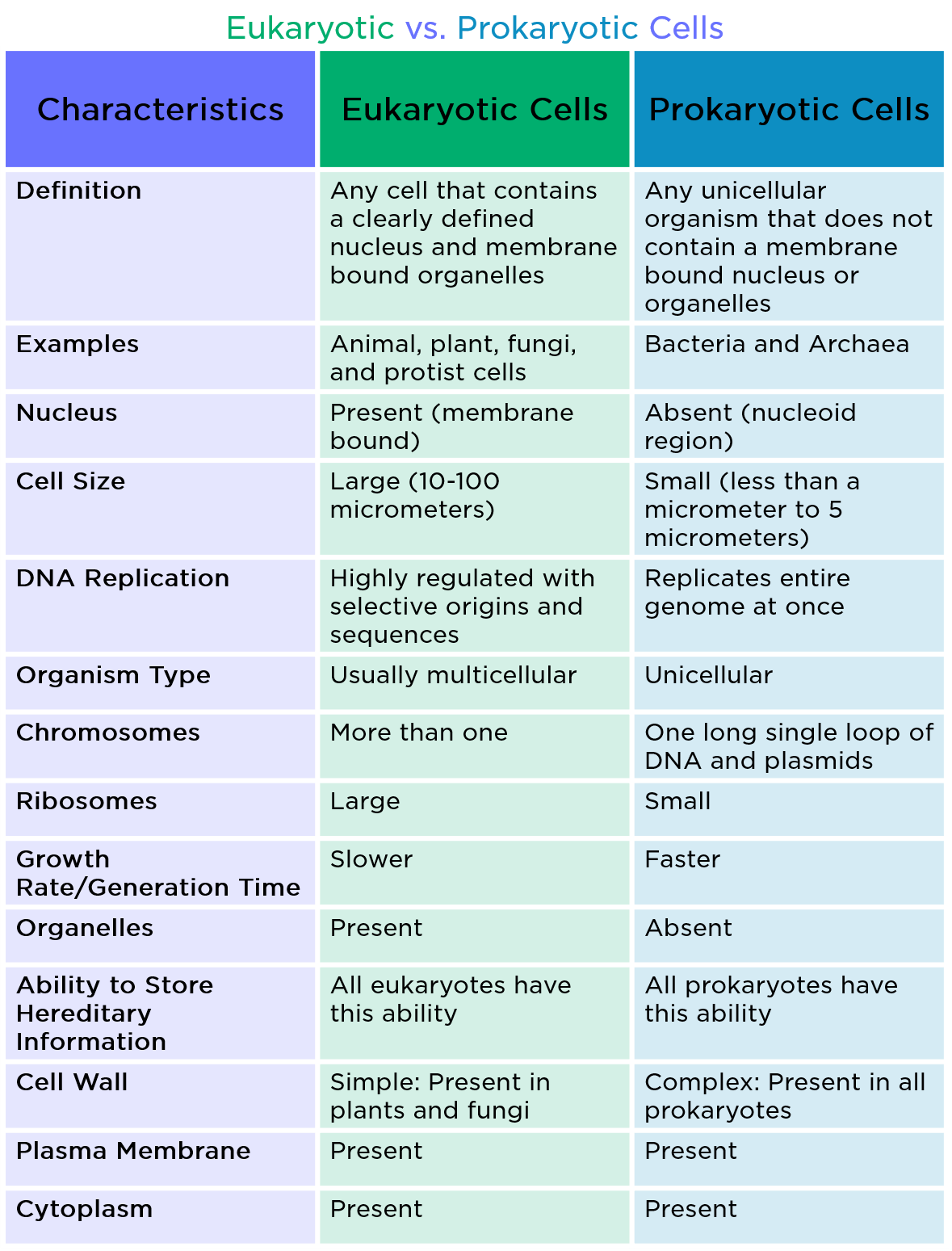
Organelles without membrane: The cell wall, ribosomes, and cytoskeleton are non-membrane-bound cell organelles. They are present both in the prokaryotic cell and the eukaryotic cell.
Single membrane-bound organelles: Vacuole, lysosome, Golgi apparatus, and endoplasmic reticulum are single membrane-bound organelles present only in a eukaryotic cell.
Double membrane-bound organelles: Nucleus, mitochondria, and chloroplast are double membrane-bound organelles present only in a eukaryotic cell.
Let us learn more in detail about the different cell organelles in brief.
The plasma membrane, also called the cell membrane, is the membrane found in all cells that...
Yeast is an unicellular saprophytic fungus present in the air and on the surface of fruit. Yeast causes the spoilage of fruit, jam, honey, and is used in the production of bread, beer, and wine. It feeds on carbohydrate foods, flourishes at 25C-30C, is killed above 60C, requires moisture for growth, can live with or without oxygen, and requires time to grow. It reproduces asexually through budding, where a cell develops a bud, the nucleus moves towards the bud, the nucleus divides in two, a wall develops and divides the bud from the parent cell, and the bud separates from the cell. Yeast has granular cytoplasm, food vacuoles, vacuole, and a cell wall.
Food preservation involves long term storage, preventing enzyme activity...
- Total dry weight of organic matter in organisms or ecosystems. - Includes carbohydrates, proteins, etc.
Food is our source of nutrients. Nutrients are biomolecules our body needs to sustain vital functions. They are the chemical components of food, the building blocks and energy sources our cells require to live.
Biomolecules present in bread, cereals, potatoes, pasta, etc. They provide energy to cells, and some of them must be consumed on a regular daily basis.
Sweet taste, small molecules....
Poriferans, also called sponges, are aquatic organisms (the majority of them are marine organisms) that either have no symmetry or have radial symmetry. Their bodies, which have a tube shape, a cup shape, or an irregular shape, have multiple pores that are interlinked by thin channels. These channels lead to a central cavity, called the atrium, which is linked to the outside by an opening called the osculum. Inside the channels, there are cells known as choanocytes, which are specialized in capturing food.
Poriferans stay upright due to a skeleton made of small spines called spicules. They feed by filtration. Water, which contains food particles, enters through the pores and exits through the osculum with the food...
The sense of hearing is located inside the ears. Sounds are vibrations of the air, received by the eardrum. The eardrum transfers these vibrations to the cochlea, where mechanoreceptors transform them into nerve impulses. These impulses then travel to the brain through the auditory nerve. The sense of balance is also located inside the ear and is closely related to the sense of hearing.
The nervous system is composed of two main divisions: the Central Nervous System (CNS) and the Peripheral Nervous System (PNS).
The Central Nervous System (CNS) comprises the brain and the spinal cord. This is where all stimuli are evaluated, and responses are generated.