Notes, summaries, assignments, exams, and exercises for Biology for Other courses

Living vs. Inert Matter: Organization, Bioelements and Biomolecules

BiologyUpdated on 4.48 KB

4 Key Differences Between Living and Inert Matter

Living systems (LS) are highly organized. An animal or plant is a complex organism constituted of different parts, each specialized in a different role. Living systems obtain nutrients from the external environment, which are then used for growth and conservation. Living systems individually reproduce. Through this function, they are capable of generating new, similar beings. In simple terms, single-celled living systems are constituted of one type of molecule with specific characteristics, such as glucides, lipids, and vitamins.

Schematic Organization of Living Systems

Levels:

Elementary Particles > Atoms > Simple Molecules > Complex Molecules > Cellular Organelles > Cells (Single-...
Continue reading "Living vs. Inert Matter: Organization, Bioelements and Biomolecules" »

Gas Exchange Adaptations in Salmon, Bees and Bears: Comparative Respiratory Systems

BiologyUpdated on 3 KB

Gas Exchange Mechanisms in Diverse Species

The Chinook salmon, European honey bee, and brown bear demonstrate striking diversity in gas exchange adaptations, each optimized for their distinct environments and metabolic demands. The salmon's counter-current gill system, enhanced by protective gill rakers and unidirectional water flow controlled by the operculum, maximizes oxygen extraction from water—critical for its energy-intensive migrations—but renders it dependent on constant water movement.

Comparative Respiratory Systems

In contrast, the honey bee's tracheal system, featuring spiracles that regulate airflow and air sacs for oxygen storage, enables direct, rapid oxygen delivery to flight muscles, though this system limits body size and...

Continue reading "Gas Exchange Adaptations in Salmon, Bees and Bears: Comparative Respiratory Systems" »

Aphasia: Broca's and Wernicke's Types, Symptoms and Examples

BiologyUpdated on 10.62 KB

  1. 18. Aphasia: Aphasia is defined as an acquired impairment in the use of language due to damage to certain parts of the brain. This damage could be caused by injury, stroke, or seizure. The language deficits include difficulties in language comprehension and execution.
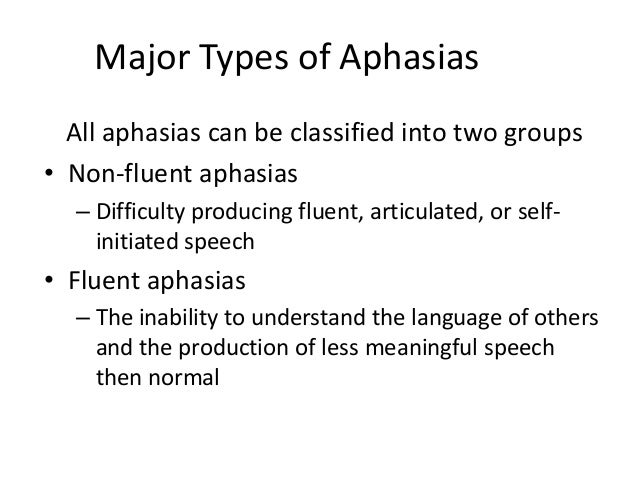
  2. 19. Major Types of Aphasias: All aphasias can be classified into two groups. Non-fluent aphasias involve difficulty producing fluent, articulated, or self-initiated speech. Fluent aphasias involve the inability to understand the language of others and the production of less meaningful speech than normal.
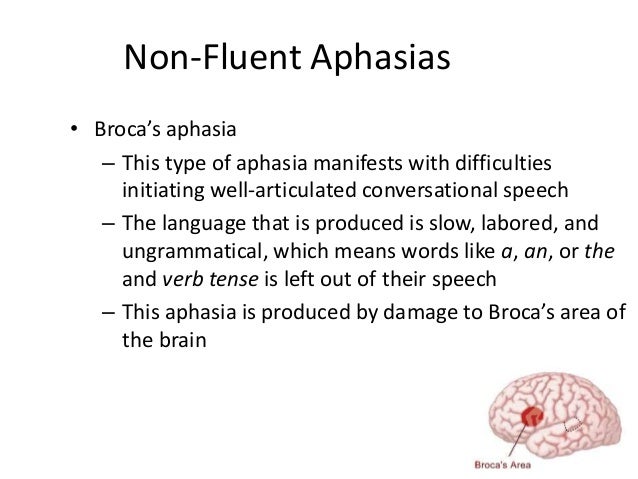
  3. 20. Non-Fluent Aphasias: Broca’s aphasia is a type of aphasia characterized by difficulties initiating well-articulated conversational speech. The language produced is slow, labored,
...
Continue reading "Aphasia: Broca's and Wernicke's Types, Symptoms and Examples" »

Chemical Composition of Living Beings: Bioelements, Mineral Salts and Water

BiologyUpdated on 4.58 KB

Molecular Level: Chemical Composition of Living Beings

1.1. Bioelements

Bioelements are all chemical elements that, in greater or lesser proportions, form living matter. There are six that qualify as the primary bioelements: C (Carbon), H (Hydrogen), O (Oxygen), N (Nitrogen), P (Phosphorus), and S (Sulfur). These make up most of living matter.

Others are involved in smaller quantities but are still essential for cellular metabolism. These are called secondary bioelements, which include Mg (Magnesium), Ca (Calcium), K (Potassium), Na (Sodium), and Cl (Chlorine).

Even smaller quantities of other elements are essential for living beings. These are called trace elements, and their lack causes serious illness and even death. Examples include Fe (Iron)...

Continue reading "Chemical Composition of Living Beings: Bioelements, Mineral Salts and Water" »

Positions

Biology9.49 KB

POSITIONS OF PLACEMENT OF PATIENTS
Supine or dorsal
In the anatomical position, the patient remains with his hands on either side of the body, arms extended, adducted thumbs and hands of pronation.
The head is held erect and the feet pointing forward. The knees and fingers in slight flexion
The patient is lying on your back with legs extended, attached to the upper and lower body together.
Uses:
· Examination of the chest, abdomen, upper and lower limbs.
· Postoperative.
And Accommodation in bed
· Position change.
· Palpation of the breasts.
Contraindications:
· Elders.
· Lung disease.
Sick of long-term ·
Prone position or ventral


Also called prone. In this position the patient lies on his abdomen and chest, his head...
Continue reading "Positions" »

Benign Epithelial and Mesodermal Lesions of the Oral Cavity

Biology4.42 KB

Benign Epithelial Lesions

Squamous Cell Papilloma

Age: Mid-age
Site: Palate, uvula, cheek, lip, tongue, gingiva
Characteristics:

  • Color: White to pinkish (depending on keratinization)
  • Shape: Cauliflower-like
  • Surface: Rough, irregular (finger-like projections)
  • Texture: Firm or soft (depending on keratinization)
  • Sessile or pedunculated

Histological Features:

  1. Hyperplastic stratified squamous epithelium
  2. Acanthosis and hyperkeratosis
  3. Intact basal layer
  4. Thin central branching core of connective tissue carrying nutrition

Verruca Vulgaris (Wart)

Reactive lesion, autoinoculation
Etiology: HPV 2, 4, 6
Histological Features:

  1. Intranuclear inclusion bodies
  2. Koilocytes
  3. Cupping effect of rete ridges
  4. Granular cell layer

Keratoacanthoma

True, self-limiting lesion
Age: Older males
...

Continue reading "Benign Epithelial and Mesodermal Lesions of the Oral Cavity" »

Viruses: Structure, Function, and Evolution

Biology8.16 KB

Structural Components of Viruses

  • Capsid: Protein shell that encloses a viral genome; may be rod-shaped, polyhedral, or more complex in shape
  • Viral envelopes: Membrane that cloaks the capsid that in turn encloses a viral genome

Obligate Intracellular Parasites

Viruses can only reproduce within host cells because they lack metabolic enzymes, ribosomes, and other equipment for making proteins.

  • Identifying host cells: "Lock and key" fit between proteins on the outside of the virus and specific receptor molecules on the host's surface (which originally evolved for functions that benefit the host).

Bacterial Defenses Against Phages

While phages have the potential to wipe out a bacterial colony in just hours, bacteria have defenses against phages:

  • Natural
...
Continue reading "Viruses: Structure, Function, and Evolution" »

Essential Culinary Techniques: A Comprehensive Guide

Biology3.91 KB

Cooking Techniques

Moist-Heat Techniques

Methods in which heat is conducted to foods by water or other liquid or by steam:

  • Simmer: To cook in water or other liquid that is bubbling gently (85-96°C). Similar to poaching, the only difference is the time.
  • Steam: To cook by direct contact with steam.
  • Boil: To cook in water or other liquid that is bubbling rapidly, about 100°C at sea level and at normal pressure.
  • Poach: To cook gently in water or other liquid that is hot but not actually bubbling (71-82°C).
  • Blanch: To cook an item partially and very briefly in boiling water or in hot fat. Usually a pre-preparation technique, as to loosen peels of vegetables, fruits, and nuts, to partially cook French fries or other foods before service, to prepare for
...
Continue reading "Essential Culinary Techniques: A Comprehensive Guide" »

Endocrine Glands: Histology and Function

Biology5.48 KB

Thyroid

Origin: Endodermal derivative, initially from the floor of the pharyngeal gut. It is a solid organ.

Capsule: Connective tissue rich in collagen fibers (fibrosis), surrounding the thyroid tissue.

Stroma: Septa extend inward (including into the parathyroid), containing reticular fibers surrounding the thyroid follicles. It is highly vascularized (by the superior and inferior thyroid arteries) with fenestrated capillaries.

Parenchyma: The gland consists of thousands of thyroid follicles, lined by simple cuboidal epithelium (flat or cylindrical) on a thin basal lamina. The cavity contains thyroid colloid.

Cells:

  • Follicular cells: Cuboidal [low height indicates underactivity, high height indicates overactivity (less colloid)].
  • Parafollicular cells:
...
Continue reading "Endocrine Glands: Histology and Function" »

Dental Development Stages and Orthodontic Occlusion Criteria

Biology5.59 KB

First Stage: Gum Pad (Birth to 2 Years)

This stage lasts from birth until the completion of the deciduous maxillary gum pad.

  • Maxillary Gum Pad: Horseshoe shape.
  • Mandibular Gum Pad: U shape.
  • Transverse Division: Elevated ridges are divided into segments for future deciduous teeth.
  • Lateral Sulcus: Located distal to the canine area.

Gum Pad Occlusion

Gum Pad at Rest: The pads are not in contact, and the tongue is projecting.

Occlusal relationships are described in three dimensions:

  1. Anteroposteriorly (Overjet): Anterior overjet; the mandibular lateral sulcus is posterior to the maxillary.
  2. Vertically: Anterior open bite; posterior segments (Segment D) touch.
  3. Transversely: The maxillary gum pad is wider than the mandibular (resulting in overjet).

Second Stage:

...
Continue reading "Dental Development Stages and Orthodontic Occlusion Criteria" »